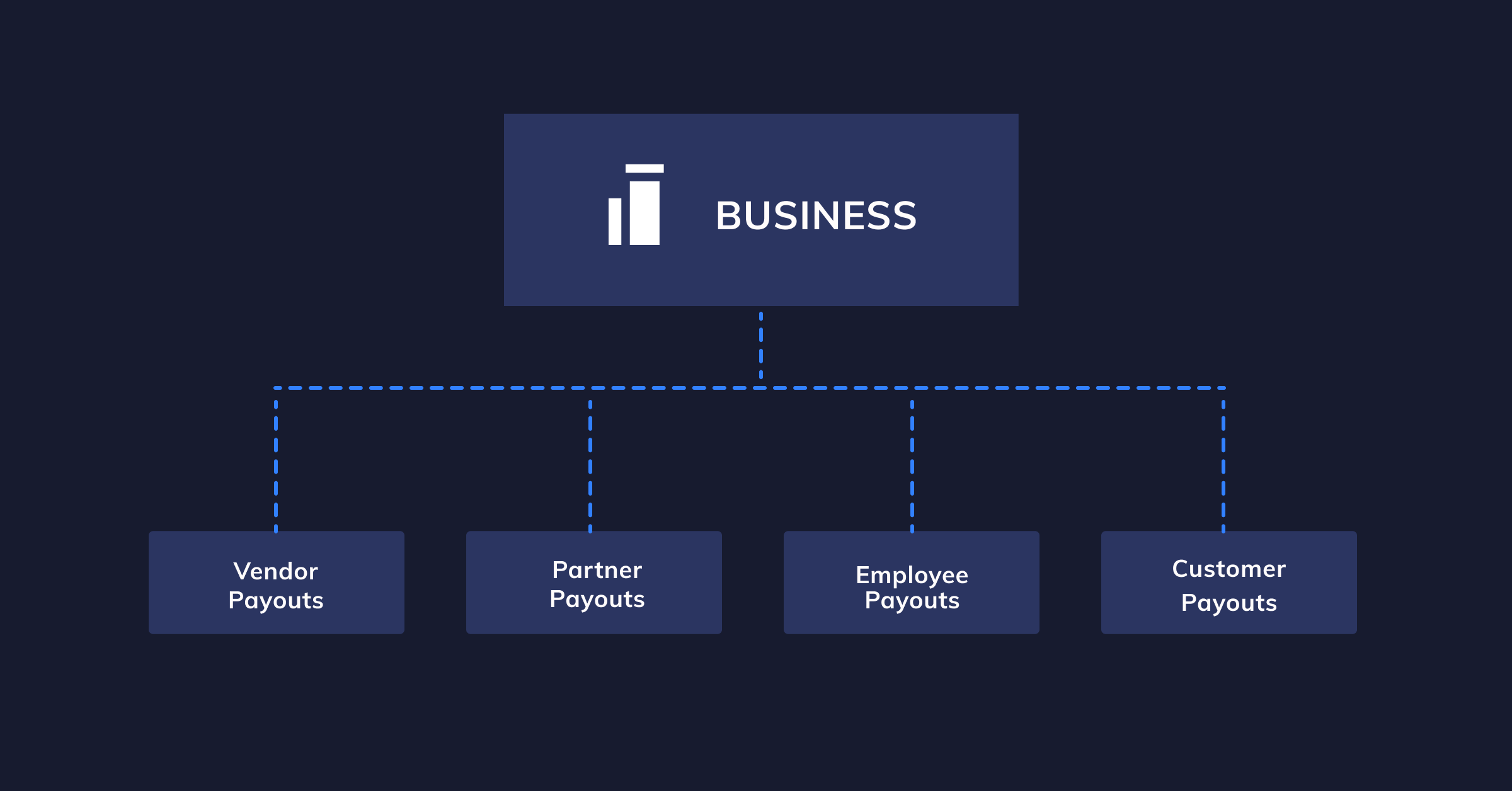











Picture payroll day for a company with 200 employees who bank at more than a dozen different banks. Nobody wants to send 200 separate transfers by hand, and nobody needs the money to arrive in three seconds. They need one clean run that reaches every account on time, at a cost that doesn't eat into margins. In Bangladesh, that job usually belongs to BEFTN.
BEFTN is one of the country's most important payment rails and one of the least discussed. It quietly carries salaries, vendor payments, bill collections and government benefits every working day. If you run a business in Bangladesh, or pay people there from abroad, understanding how it works tells you what to expect on timing, cost and what can go wrong.
This guide explains BEFTN in plain terms, compares it with NPSB, and covers where cross-border businesses fit in. For companies paying into Bangladesh from overseas, TransFi is built for exactly that last mile, and its batch payouts in Bangladesh are worth a look.
What Is BEFTN?
BEFTN stands for Bangladesh Electronic Funds Transfer Network. It is Bangladesh Bank's batch-processing system for moving money between accounts at different banks, and it launched on 28 February 2011 as the country's first paperless interbank transfer system.
Instead of moving cash or paper cheques, BEFTN collects payment instructions from many banks and settles them together in scheduled batches. It handles two kinds of payment. Credit transfers push money out to someone: salaries, vendor payments, dividends, government benefits and similar. Debit transfers let an organisation pull money in, such as loan instalments, insurance premiums, utility bills and club fees.
In November 2023, Bangladesh Bank moved electronic fund transfers onto the Nikash-BEFTN software of the Bangladesh Automated Clearing House, a change reported by The Daily Star. The name BEFTN stuck, and the service is the same one businesses have long used.
How Does BEFTN Work?
The sender's bank collects the payment instruction and bundles it with others into a batch. It sends the batch to the central system, which processes it in a scheduled session. The recipient's bank then credits the account once settlement is confirmed.
Bangladesh Bank's notice for the Nikash-BEFTN change describes three sessions each day: from midnight to 11:59 am, from noon to 2:59 pm, and from 3 pm to 11:59 pm. Credit and debit transactions run separately, and any returns have to be completed within the next two sessions.
Settlement happens through accounts that banks hold at Bangladesh Bank. One 2026 explainer describes it as multilateral: every bank's position is netted into a single figure and settled together, not bank by bank.
To send a BEFTN transfer you need the recipient's account number, bank name, branch name and the 9-digit routing number of that specific branch. A single wrong digit in the routing number can make the transfer fail or send it to the wrong branch, and reversing a processed payment is slow and not guaranteed. Check the details before you submit.
What Is the Difference Between BEFTN and NPSB?
Timing. BEFTN works in batches on working days. NPSB, the National Payment Switch Bangladesh, moves money in real time around the clock, including weekends and holidays.
That difference shapes what each is good for. BEFTN suits scheduled, high-volume payments where a few hours don't matter: payroll, vendor runs, dividends. NPSB suits urgent personal transfers, card and QR payments and wallet-to-bank moves. A rough rule is to use BEFTN as the default for anything that can wait until the same or next working day, and NPSB when it genuinely cannot.
There is a cost and risk trade-off, too. BEFTN has no central fee, as the next sections explain. NPSB transfers commonly carry a small charge, and one explainer notes that a failed real-time transfer can sit pending for up to 72 hours before it is reconciled. Above both sits RTGS, the real-time gross settlement system, which handles large urgent payments on working days with a minimum of Tk 100,000 and a flat fee of up to Tk 100.
How Do BEFTN Batch Payments Work?
A batch payment is a single instruction that pays many recipients at once. A business prepares a file listing each recipient, their bank and branch details and the amount, and submits it through its bank's corporate banking channel. The bank splits the file into individual BEFTN entries, sends them to the central system and the receiving banks credit each account.
The benefit is control and consistency. One submission replaces hundreds of manual transfers, reconciliation is simpler because the payments move together, and the cost per payment stays low. The catch is accuracy: a batch is only as good as its data, so a wrong routing number or account number affects every line it touches.
For businesses that pay people in Bangladesh from abroad, the batch idea still applies, but BEFTN is only the final domestic leg. TransFi supports batch payouts to Bangladeshi bank accounts and to bKash, Nagad and Rocket wallets, so a foreign company can fund payroll, supplier settlements or contractor payments in one run. See how it works for business payments to Bangladesh.
What Are the Settlement Times?
BEFTN settlement is same-day or next working day, not instant. One 2026 explainer puts the same-day cut-off at 12:30 pm on a working day: instructions submitted before then are processed that day, and later ones roll to the next working day. Banks can set their own earlier internal cut-offs, so confirm yours.
Because BEFTN only processes on working days, nothing moves on Fridays, Saturdays or public holidays. A transfer submitted late on a Thursday typically won't settle until Sunday. For payroll, that means timing your submission a day or two before pay day, not on it.
Is BEFTN Good for Payroll?
Yes, and it is the standard choice. Salaries are one of its core uses, and it is widely described as the mechanism behind many government salary and benefit payments. For regular, predictable payment runs where same-day or next-day arrival is acceptable, BEFTN is hard to beat on cost and reliability.
There are limits to keep in mind. It isn't instant, it doesn't run on weekends or holidays and mistakes are hard to undo. If a payment is urgent or goes to someone whose bank details you aren't sure about, a real-time rail or a wallet payout may suit better. Many employers, especially those paying across borders, use both: a batch rail for the main payroll and wallets for urgent or last-minute payments.
Which Banks Support BEFTN?
BEFTN is a national network operated by Bangladesh Bank, and it covers the scheduled banks that clear through it. In practice that means the large state-owned and private banks you'd expect, but the specific channels differ. Some banks offer BEFTN through internet banking, others mainly through branches or corporate banking desks, and apps differ in how they ask for the routing number.
Before you rely on it for a payroll or vendor run, check three things with your bank: whether it offers BEFTN batch uploads, which file format it needs, and what its cut-off times are.
What Fees Apply to BEFTN?
Bangladesh Bank doesn't charge a central fee for BEFTN transfers, but your bank can apply its own charge for using its channel. One 2026 explainer gives an example: Islami Bank lists the EFT charge as free but adds a Tk 10 internet banking service fee per transaction, while Sonali eWallet showed Tk 0 on its confirmation screen. The same source puts RTGS at a flat Tk 100.
Limits are also set by banks, not centrally. At Islami Bank, as of March 2026, BEFTN allowed up to Tk 5 lakh a day across 20 transactions. Other banks differ, and figures published elsewhere vary, so check your own bank's schedule of charges and daily limits before you plan a large batch.
Conclusion
BEFTN is the workhorse of Bangladeshi bank-to-bank payments: batch-based, low-cost and ideal for payroll and scheduled payments, as long as you accept same-day or next-day timing and double-check the details. NPSB covers the instant side, and RTGS covers large urgent transfers.
If your business pays people or suppliers in Bangladesh from overseas, the question isn't only which local rail to use. It's how to get the money to those rails in the first place. TransFi connects international businesses to Bangladesh's local payment network, with batch payouts in Bangladesh and a clear path for business payments to Bangladesh.
FAQs
1. What does BEFTN stand for?
Bangladesh Electronic Funds Transfer Network, Bangladesh Bank's batch system for interbank transfers.
2. What is the difference between BEFTN credit and debit transfers?
Credit transfers send money out, such as salaries and vendor payments. Debit transfers pull money in, such as loan instalments, insurance premiums and utility bills.
3. How long does a BEFTN transfer take?
Same working day if submitted before the cut-off, otherwise the next working day. It does not process on Fridays, Saturdays or public holidays.
4. Is BEFTN free?
Bangladesh Bank charges no central fee, but individual banks may add their own service charge, so check your bank's schedule.
5. What do I need to make a BEFTN transfer?
The recipient's account number, bank name, branch name and the 9-digit routing number of their branch, plus your bank's authentication.
6. Can a foreign business pay Bangladeshi staff through BEFTN?
BEFTN is a domestic network between Bangladeshi banks, so foreign businesses usually pay through a provider with local connections, such as TransFi, which supports payouts to bank accounts and wallets.